
Understanding International Shipping Costs
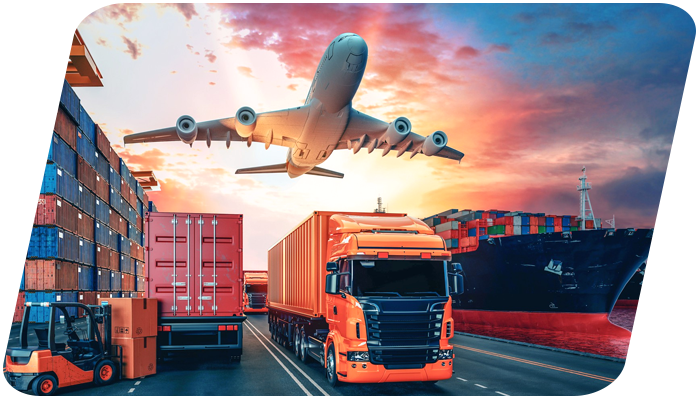
Container Shipping Cost: What You Need to Know
Whether you are shipping personal items or handling large-scale business logistics, understanding the full scope of international shipping costs is essential. Shipping rates vary based on numerous factors, including the type of goods, shipping method, and destination. Our Freight Calculator simplifies the process of getting accurate quotes for international shipments, helping you make informed decisions that balance cost and efficiency.
One of the most significant factors affecting shipping cost international is the mode of transport. Ocean shipping is one of the most common methods for moving goods across borders, particularly for large or heavy shipments. The cost of ocean shipping varies based on the container size, the distance to the destination, and the current fuel prices. By using our calculator, you can get real-time ocean shipping cost estimates to help plan your logistics strategy effectively.
For businesses and individuals shipping smaller loads, container shipping costs are often calculated by volume and weight. Whether you're using a 20-foot or 40-foot container, or opting for less-than-container load (LCL) shipments, understanding the cost breakdown can help you optimize your shipping plan. LCL shipments allow you to share container space with other shippers, making it a more economical choice for small shipments.
Ocean Shipping Cost and Container Shipping Rates
Ocean freight services are typically the most economical option for international shipping. However, ocean shipping costs are influenced by several factors, including:
- Size and type of container: Larger containers, such as 40-foot or High Cube containers, may have slightly higher costs compared to 20-foot containers. However, they offer more space for goods.
- Shipping distance: The farther the distance between the origin and destination, the higher the shipping cost. Fuel prices and port fees also factor into this cost.
- Type of goods: The nature of the goods being shipped also affects the price. For instance, dangerous goods or perishable items may require special handling, which increases the cost.
For those shipping high-density goods like liquids or machinery, a 20-foot container may be the best choice, as it often has similar rates to a 40-foot container but is better suited for heavier items. Our Freight Calculator can help you decide whether a full container load (FCL) or less-than-container load (LCL) is the most cost-effective solution for your needs.
International Shipping Cost Calculators
International shipping cost calculators are essential tools for getting real-time, accurate pricing on shipments. By inputting details such as cargo weight, dimensions, and destination, you can instantly get quotes for various shipping options, whether by sea, air, or land. Our calculator covers all major shipping methods:
- Ocean Freight: The most cost-effective method for large shipments. Our calculator provides accurate ocean shipping costs based on container size and destination.
- Air Freight: While more expensive, air freight is the fastest option for time-sensitive goods. Our calculator helps you compare air freight rates with other shipping methods to choose the best fit.
- Roll-On Roll-Off (RORO): Ideal for shipping vehicles or large machinery. This method allows wheeled cargo to be loaded directly onto vessels without the need for containers.
Glossary of International Shipping Terms
- Bill of Lading (BL): A legal document issued by a carrier to acknowledge receipt of cargo for shipment.
- Freight Forwarder: A company that arranges the transportation of goods on behalf of the cargo owner.
- Containerization: The use of standard-sized containers to ship goods efficiently across different modes of transport.
- Full Container Load (FCL): A shipping method where the entire container is used for a single shipment.
- Less than Container Load (LCL): A shipping method where a container is shared among multiple shipments, reducing costs for smaller loads.
- Customs Clearance: The process of passing goods through customs to enter or leave a country.
- Demurrage: A charge imposed when cargo remains in a port longer than the agreed free period.
- Drayage: The transport of goods over short distances, often as part of a longer shipping journey.
- Bunker Fuel: The type of fuel used by ships for ocean transport.
- Insurance: Coverage purchased to protect goods during transport from loss or damage.